
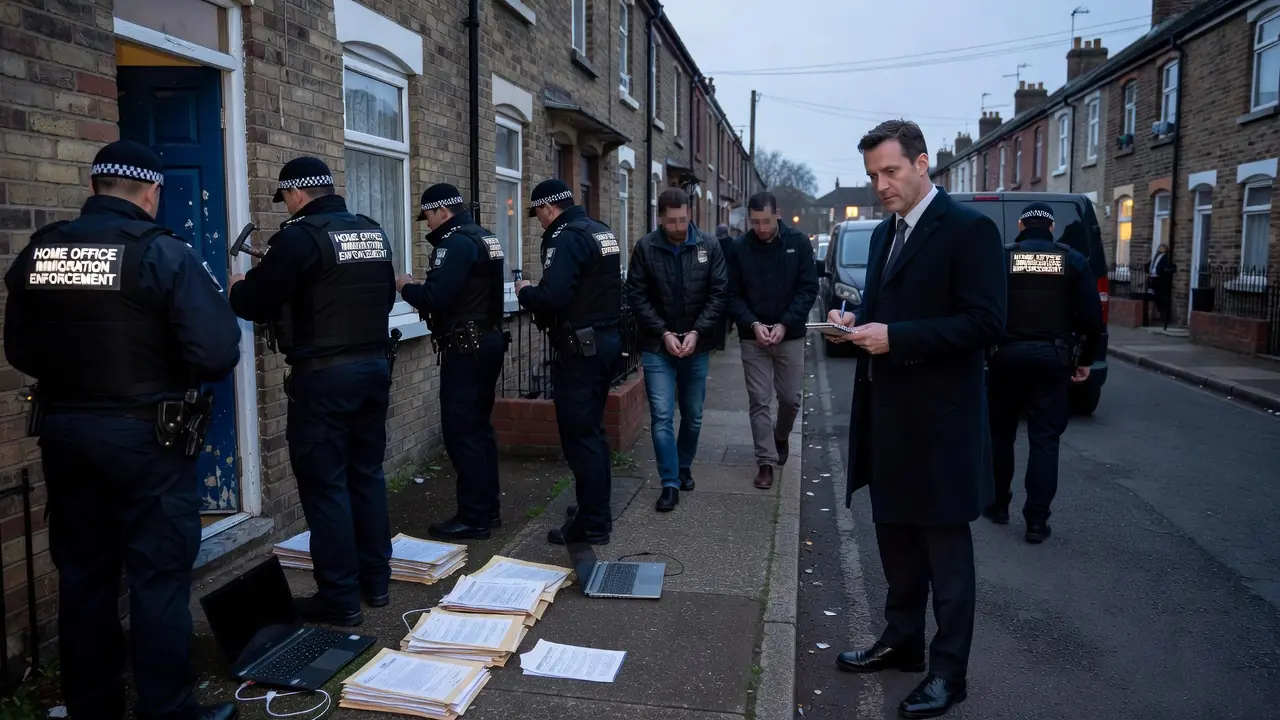
Three people have been arrested following a raid targeting a suspected criminal network accused of orchestrating dozens of fraudulent asylum claims built around fabricated claims of sexual orientation. The operation, carried out by Home Office Immigration Enforcement on Tuesday morning, followed a BBC investigation earlier this year that exposed law firms and advisers allegedly coaching migrants to pose as gay in order to strengthen their asylum applications.
How the Alleged Scheme Worked
Under UK and international asylum law, persecution based on sexual orientation can form a legitimate basis for protection. That legal reality, intended to safeguard genuinely vulnerable people, appears to have been exploited by intermediaries offering a template for deception. The BBC's earlier reporting found evidence that some legal advisers were allegedly helping applicants construct false narratives, coaching them on language, personal history, and evidence that case officers would expect to see during interviews and appeals.
Billy Kenber, the BBC's Politics Investigations Correspondent, accompanied enforcement officers during Tuesday's operation, which targeted individuals suspected of running the network. The arrests mark a tangible follow-up to journalistic findings that had raised questions about oversight of immigration casework and the professional conduct of some advisers operating within the system.
Why This Matters Beyond the Individual Case
Fraudulent claims of this kind carry consequences that extend well past the people directly involved. Genuine LGBT asylum seekers, who often flee countries where their safety is at real risk, can face greater scrutiny and skepticism from caseworkers if fabricated claims become more common or more publicised. That erosion of trust makes an already difficult process harder for those with legitimate need.
There is also a systemic cost. Immigration tribunals and the Home Office operate with finite resources, and cases built on false pretences consume time and capacity that could otherwise go toward faster, fairer decisions for authentic applicants. When advisers or firms are found to be complicit, it raises further questions about regulatory oversight of those permitted to practise immigration law and offer asylum guidance.
What Happens Next
Details of the charges, if any are brought, and the scale of the suspected network have not been disclosed. Investigations of this nature typically involve examining a wider pool of applications linked to the same advisers, which can take months to work through. The case is likely to renew scrutiny of how immigration advice is regulated in the UK, and whether existing checks are sufficient to detect coordinated patterns of deception before claims reach the appeals stage.
- Arrests followed a Home Office Immigration Enforcement raid on Tuesday morning.
- The investigation builds on earlier BBC reporting into advisers allegedly coaching false asylum narratives.
- Authorities have not yet confirmed the full scope of the suspected network or any formal charges.